
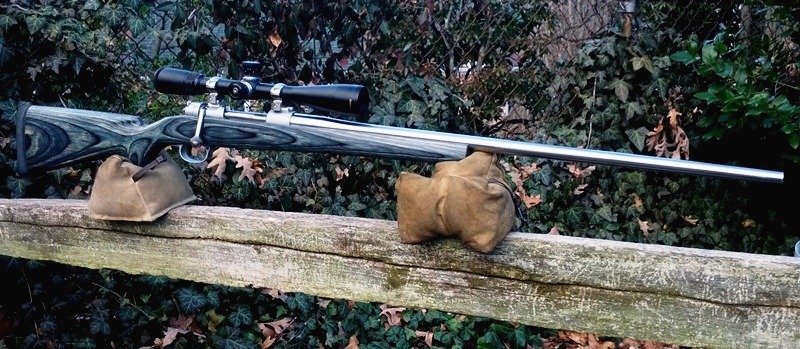
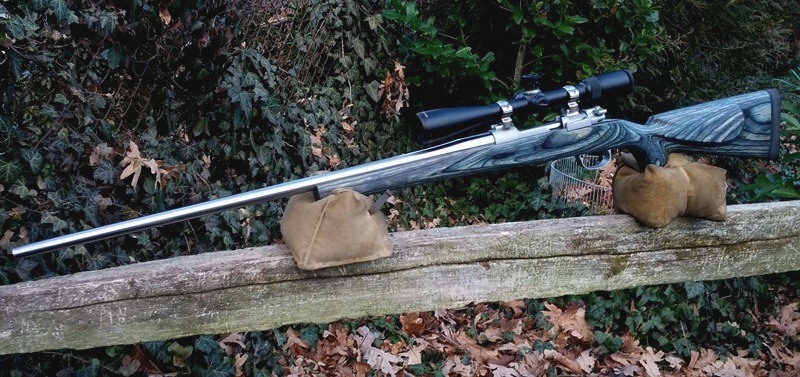
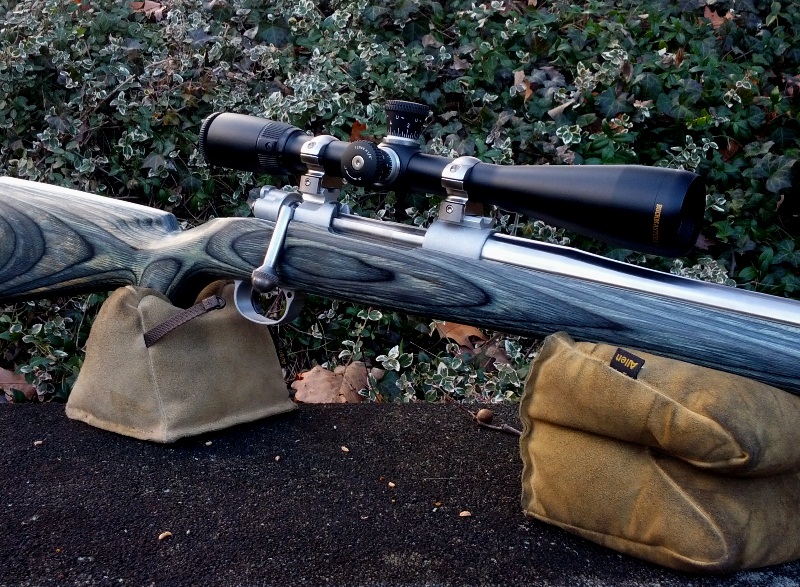
| We finished the rifle in the fall of 2013. Component & build details are outlined below: |
- Action – 1931 Czech 24 action (Mauser 98 pattern)
- Action Finish – Duracoat, stainless steel tone
- Barrel – Stainless Shilen. Premium Select, 1:7 twist cut to 28.5”.
- Barrel Contour – Light Varmint, Number 5
- Magazine – converted to single-shot with an aluminum benchrest
follower. The bullets are too long for the well and capacity wasn’t a
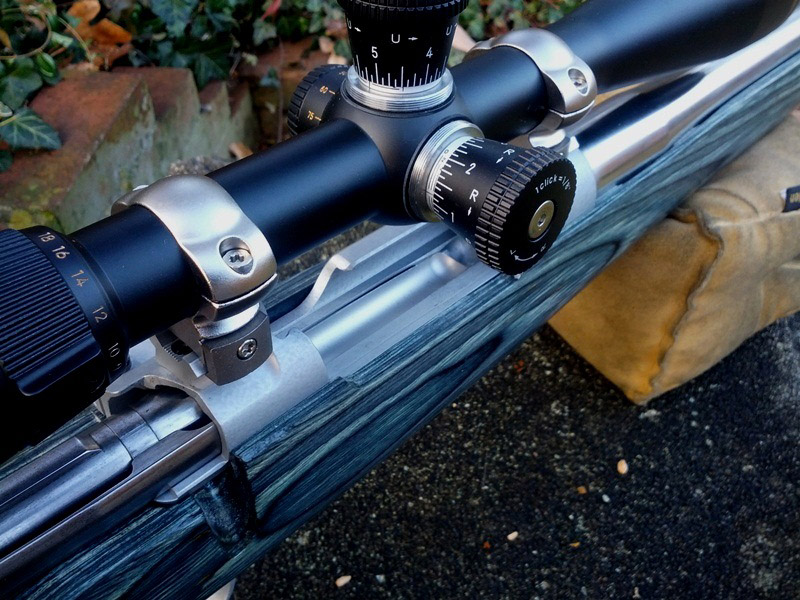
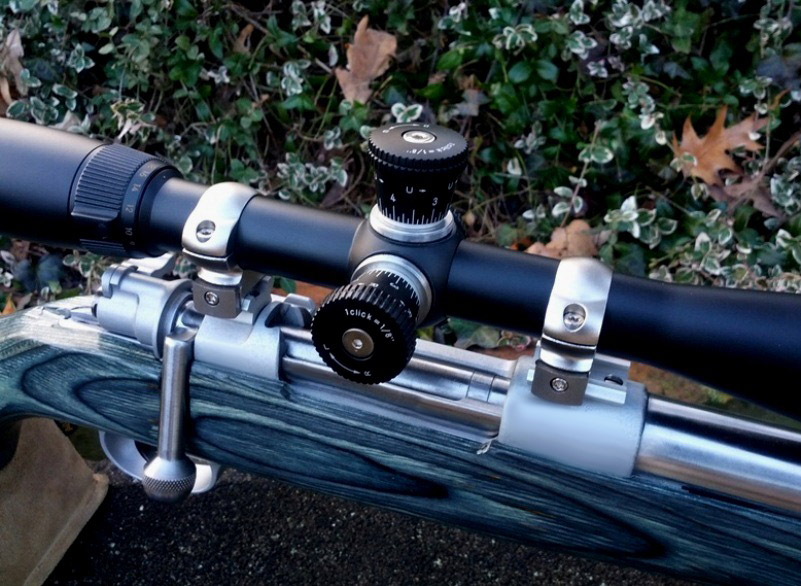
concern - Scope - Nikon 6 to 18 X, 1/8 dot fine cross-hair
- Scope Rings – Weaver Grand Slam
- Scope Bases – Weaver 45 & 46
- Stock – Richard’s Microfit, black & gray laminate
- Trigger – Timney adjusted to 1.5 lbs
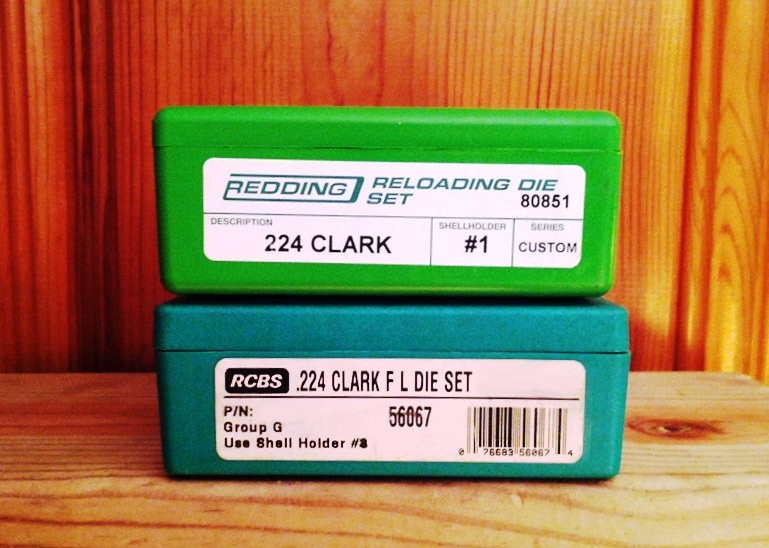
| Fermin Garza, friend and fellow forum member, was generous enough to send me the RCBS dies. I also had Redding make a set for my dad in case he builds a Clark. They’re custom and run $150 - $180 with a 4 to 5 month wait. |
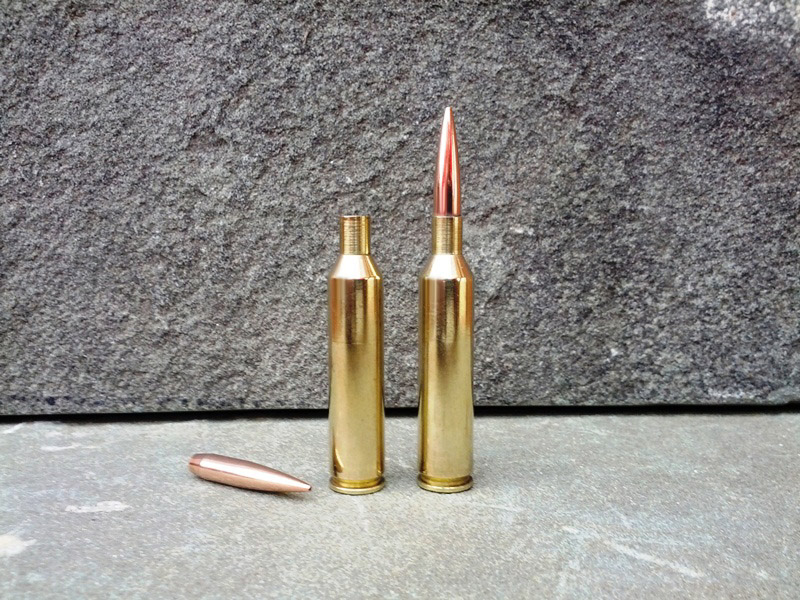
| Initial hi-perf loads were assembled with US 869 and Retumbo. Each was topped with Berger’s excellent very-low-drag (VLD) 90 grain boat tail. These bullets set sleek on its ear. 15 ogive pointed and with a 0.551 G1 ballistic coefficient they’re damn close to wind defying. Berger forms them with J4 jackets so wall consistency <= 0.0003”. Perhaps they should include the phrase “match grade” when packaging. |
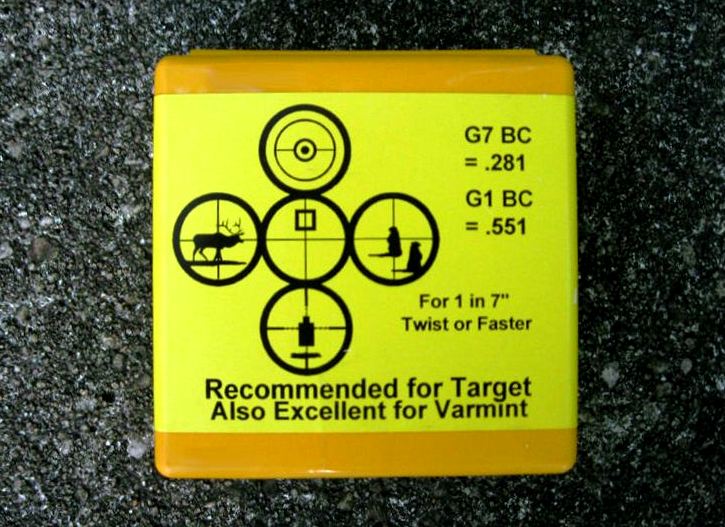
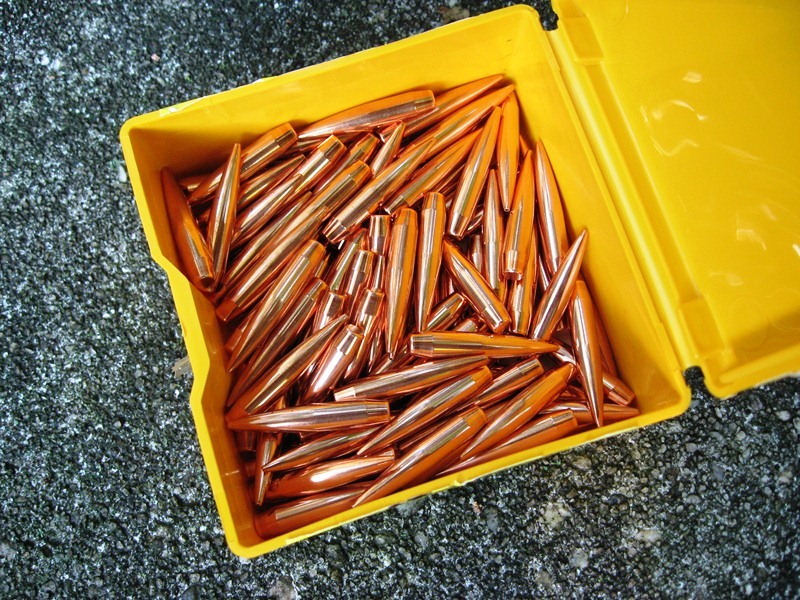
| A secant ogive is used to get the high ballistic coefficient. Secant transitioning lowers drag but makes the tune more sensitive to seating depth. That’s because the juncture to the bearing surface is more abrupt and less self-aligning. When introduced Berger said to seat on, or a couple of thousandths into the lands. That worked for some but in competition improved accuracy was achieved through jump seating. Some gapped them 0.150” while others fell between 0.020” and 0.050”. Fortunately the windows are pretty wide. If you shoot VLDs start on the rifling, then re-seat in 0.040” increments. Stop when you attain the desired accuracy; don't exceed 0.150”. |
| I went with magnum primers because both Clark and Simpson endorsed big spark. Powder this slow usually benefits from hotter ignition so their advice wasn’t a surprise. Simpson’s experience was however. Loaded with standard large rifle he had to stop one grain before the magnum’s max. Pressure was spiking faster according to his micrometer. All of the loads I’ll discuss employ CCI 250’s. The tale of the screens: |
 |
 |
|
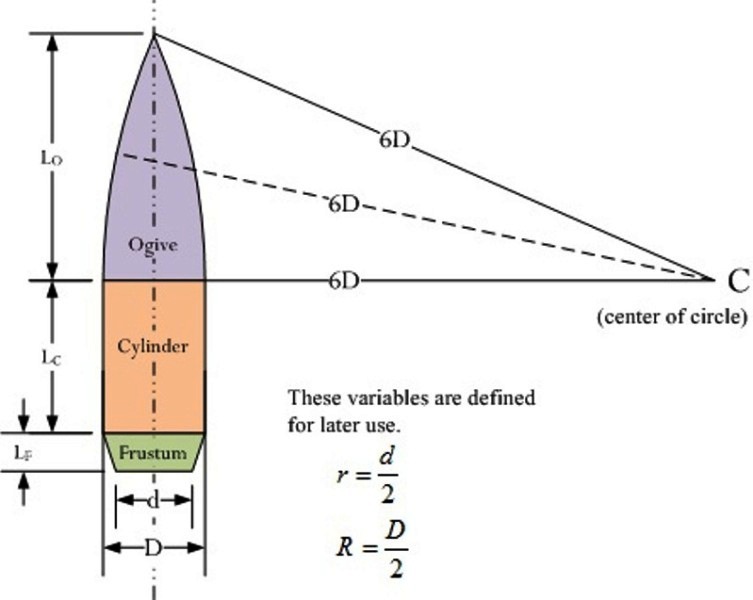
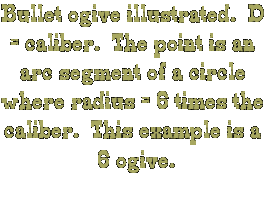
| Overall cartridge length (OAL) is a widely cited metric. While relevant for magazines and feeding, it means very little to the accuracy crowd. Bullet curvature in relation to the lands does and for that reason I use ogive inserts. Here’s how they work. The point in which a bullet engages the rifling depends on its ogive. By definition ogive is the forward curved area between the tip and shank. That curve is the segment of a circle with radius “r”. Ogive denotes the number of calibers required to equal that “r” value. So a 7 ogive 6mm bullet has a circular arc segment with r = 1.701” (7x 0.243”). |
 |
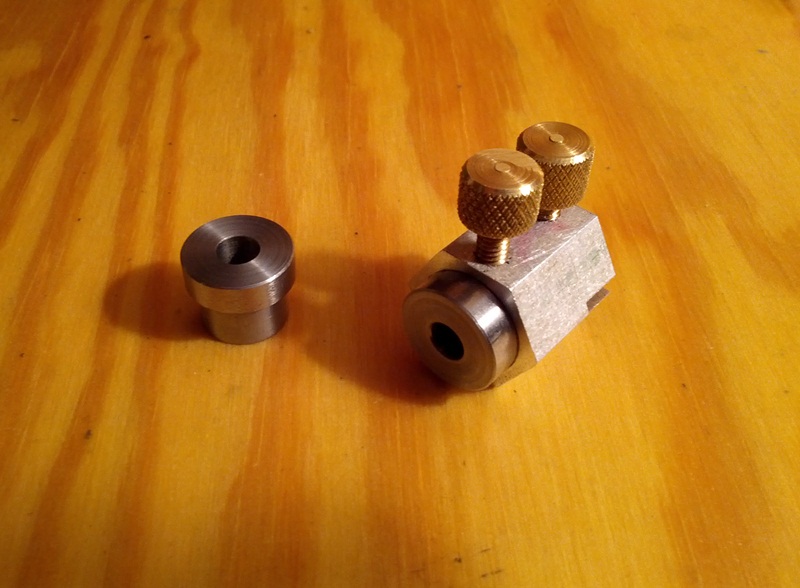
| Since tip profiles vary between bullets you should never seat to a prescribed length. What matters is the distance from the back of the rim to where the bullet meets the rifling. In essence that becomes the starting point for your tune. Consider a 6 versus a 9 ogive 22 caliber. The 6 has a less sweeping arc segment and will touch the lands sooner than the 9. If loaded to the same OAL you’ll jump the hell out of the 9. My dad made gauges to measure this dimension. Hornady offers something similar called the “Lock-And-Load” kit. |
 |
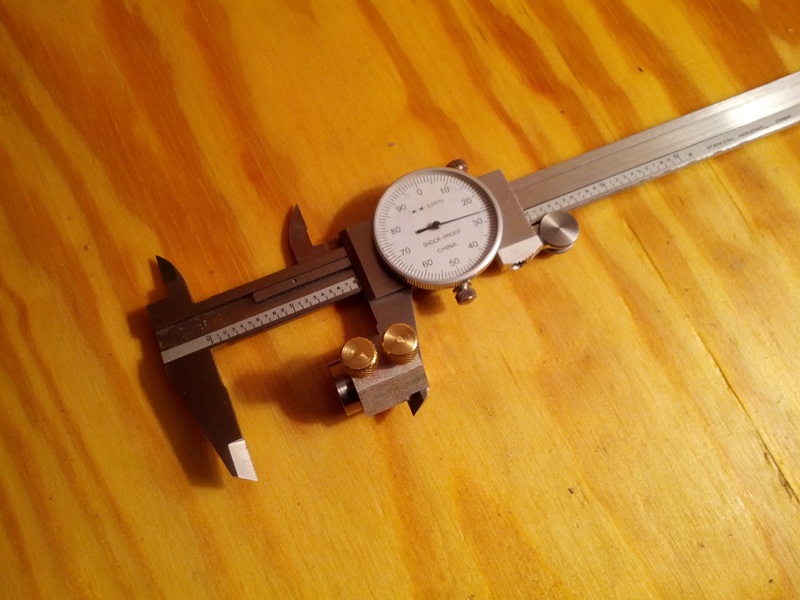
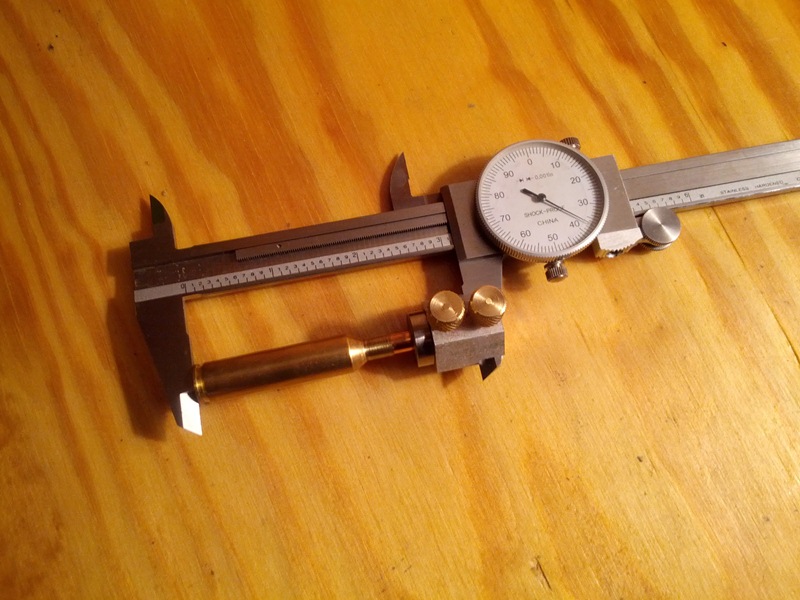
| The set-screw base attaches to any dial caliper and it holds caliber specific collars. Each insert is bored to the land diameter of the barrel, not groove. So on a 22-caliber the hole is 0.219”, 6mm is 0.236”, etc. Once the die is set and the bullet is on the rifling, measure the base-to-ogive length. That’s your touch spec. My 90 grain Berger at the lands equals 3.07”. If I wanted to jump the bullet 0.020” I’d adjust the seating die until the gauge reads 3.05”. |

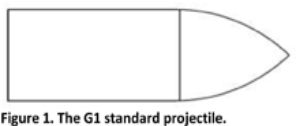
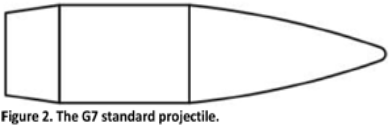
| Covering the .224 Clark without a section on ballistic coefficients would be derelict. The two are conjoined. I won’t get into the math, it is involved. In the purest sense though a bullet’s ballistic coefficient (BC) measures its ability to overcome air resistance during flight. That measurement is done against a standard projectile known as “G1”. Unfortunately the G1 shape doesn’t mate well with many of today’s aerodynamic boat tails. This disparity accounts for why modern bullets have bouncing BCs as velocity changes. To their credit, Sierra used to list multiple BCs depending on the speed. G7 coefficients are better approximates of modern low-drag bullets. Unlike G1s which are highly speed sensitive, G7s are more consistent across velocity bands. This permits direct comparison of BCs without having to consider the bullets’ respective velocities. For blunt, flat-based profiles G1 is still an appropriate standard. |
 |


 |
| The 90 gr Bergers were really humping at over 3,600 fps. Enough so that it made me question my chronograph. After that checked out I attributed the velocity gain to the VLD shape and extra 2.5" of barrel (Clark and Simpson used 26" lengths). BTW, curiosity moved me to try the 55 grain V-Max. It jumped a lot of throat but held to 2 1/2" inches at 100. How the jackets fare at 4,300+ fps is unknown. |